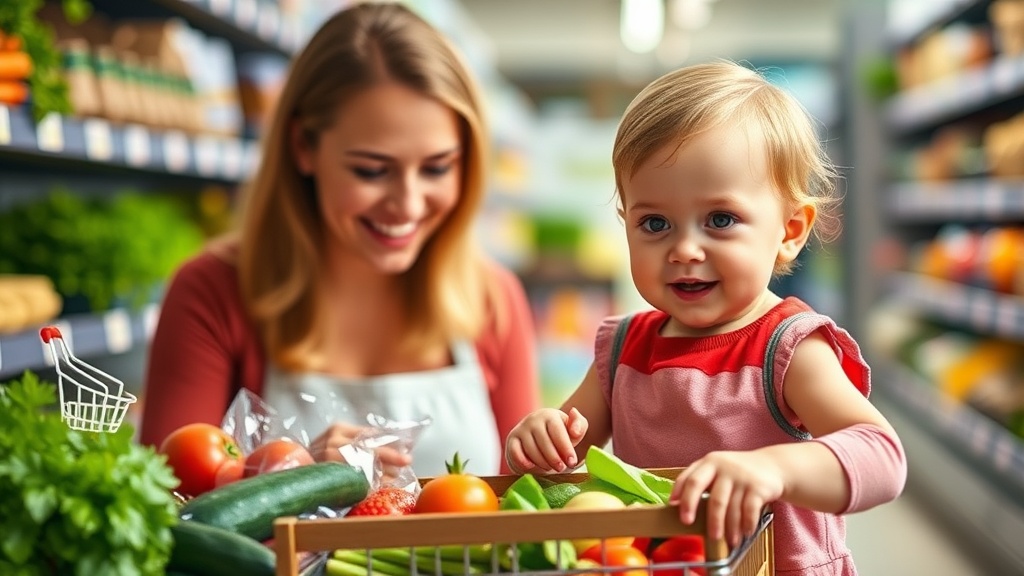
Smart Ways to Stretch Your Grocery Budget with a Toddler

Quick Tip
Batch cook and freeze portions to prevent food waste and save time.
You'll learn practical strategies to lower your grocery bills while feeding a toddler, focusing on bulk buying, meal prepping, and minimizing food waste. Managing a toddler's appetite is expensive, but smart shopping habits can keep your budget intact.
How Can I Save Money on Toddler Snacks?
Buying snacks in bulk and portioning them yourself is the most effective way to cut costs. Instead of buying pre-packaged organic fruit pouches—which are incredibly pricey—buy large containers of organic applesauce or yogurt. You can divide these into reusable silicone pouches or small containers for easy on-the-go snacking.
The catch? Toddlers love variety, but they also love routine. If you stick to a few reliable staples, you won't waste money on "experimental" snacks that end up in the trash. It's much cheaper to buy a large bag of Annie's Organic organic crackers and portion them out than to buy the individual snack packs.
What Are the Best Budget-Friendly Toddler Foods?
Focus on whole, unprocessed foods like oats, eggs, beans, and seasonal produce to get the most nutritional value for your dollar. These staples are versatile and can be adapted as your child grows.
Here is a quick breakdown of high-value pantry staples versus more expensive convenience items:
| Budget Staple | Convenience Item (Higher Cost) |
|---|---|
| Dry Oats | Instant Oatmeal Packets |
| Whole Bananas | Individual Fruit Pouches |
| Large Tub of Greek Yogurt | Single-Serve Yogurt Tubes |
| Rotisserie Chicken | Pre-Cooked Chicken Nuggets |
Don't forget to check the CDC nutrition guidelines to ensure you're hitting the right caloric marks without overspending on expensive "baby-specific" brands. Most of what a toddler needs is found in the standard grocery aisles, not the specialized baby aisle.
How Do I Reduce Food Waste with a Picky Eater?
Minimize waste by freezing leftovers and utilizing "transition" meals that work for both adults and kids. If your toddler refuses a certain vegetable one day, don't throw it away—blend it into a sauce or freeze it for a later meal.
I've found that many "refusals" are actually just temporary phases (a total headache, I know). Instead of buying new foods every time they reject a meal, keep a rotation of five "safe" foods. This prevents your fridge from becoming a graveyard of half-eaten organic produce. If you're feeling overwhelmed by the logistics of mealtime, you might find building a predictable daily routine helps stabilize both your child and your grocery budget.
One thing to keep in mind: shop with a strict list. If it's not on the list, it doesn't go in the cart. This simple rule prevents those impulse buys of expensive, brightly colored cereals that look great in a pantry but rarely make it into a toddler's stomach.