10 groundbreaking Sleep Hacks Every New Parent Needs to Know

Master the 5-Second Swaddle Technique
Use Continuous White Noise at 50-65 Decibels
Implement a Consistent 7-PM Bedtime Routine
Try the Dream Feed Before You Sleep
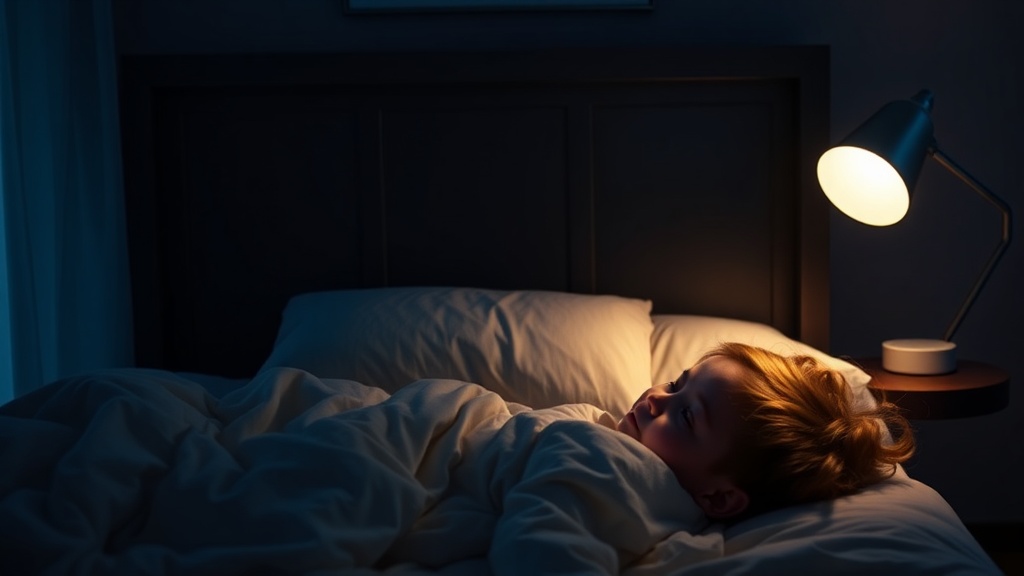
Create a Dark, Cool Sleep Environment (68-72°F)
Sleep deprivation hits most new parents like a freight train. The first few months with a newborn often bring fragmented rest, nighttime feedings, and the kind of exhaustion that makes basic tasks feel monumental. This guide covers ten practical, evidence-based strategies to help families reclaim restorative sleep—without unrealistic promises or judgment.
Why Is Sleep So Hard for New Parents?
Newborns wake every 2-3 hours to feed. Their circadian rhythms haven't developed yet, meaning day and night mean nothing to them. Meanwhile, parents are trying to recover from childbirth while learning an entirely new skill set. The result? Most new mothers and fathers survive on 5-6 hours of broken sleep during the early weeks.
The impact extends beyond grogginess. Chronic sleep deprivation affects mood regulation, immune function, and decision-making. Studies from the National Heart, Lung, and Blood Institute link insufficient sleep to increased stress hormones and reduced coping capacity. For new parents already managing major life changes, this creates a challenging cycle.
How Can White Noise Help Babies Sleep Better?
White noise masks household sounds and mimics the constant whooshing heard in the womb, creating an immediate calming effect for most infants.
The science is straightforward—newborns spent nine months surrounded by the loud (roughly 85 decibel) rumble of blood flow and digestive sounds. The sudden silence of a quiet nursery can actually be unsettling. White noise machines bridge this gap.
Not all machines are equal. The Hatch Rest+ offers customizable colors, sounds, and programmable routines controlled via app. For budget-conscious families, the LectroFan produces non-looping, high-fidelity white noise without the light features. The classic Marpac Dohm uses an actual fan inside—no digital loops, just organic, consistent sound.
Volume matters. Keep white noise at or below 50 decibels (about the volume of a quiet conversation) and place the device at least three feet from the crib. Too loud or too close can damage developing ears.
What's the Best Room Temperature for Baby Sleep?
Between 68-72°F (20-22°C) provides the safest, most comfortable sleep environment for infants.
Overheating increases SIDS risk. Underheating wakes babies prematurely. Finding that narrow window matters—and so does how you dress your baby for it.
Use the TOG (thermal overall grade) system. Sleep sacks like the Nested Bean Zen Sack or Halo Sleepsack list TOG ratings on their packaging:
| Room Temp | TOG Rating | What to Wear Underneath |
|---|---|---|
| 75°F+ (24°C) | 0.5 TOG | Short-sleeve onesie or diaper only |
| 69-74°F (20-23°C) | 1.0 TOG | Long-sleeve onesie or pajamas |
| 61-68°F (16-20°C) | 2.5 TOG | Long-sleeve pajamas + socks |
| Below 61°F (16°C) | 3.5 TOG | Footed pajamas + bodysuit underneath |
Check the back of your baby's neck or chest—not hands or feet, which run naturally cooler—to gauge comfort. Sweaty, flushed, or hot-to-touch skin means remove a layer.
Does Swaddling Actually Work?
Yes—for most newborns, swaddling significantly improves sleep duration and reduces the startle reflex that jolts babies awake.
The Moro reflex (that dramatic arm-flailing response to sudden movement or noise) typically disappears around 4-6 months. Until then, swaddling keeps those involuntary movements from waking a sleeping infant.
The key is technique and timing. Swaddle snugly at the arms (loose hips—hip dysplasia is a real concern) and always place swaddled babies on their backs. Once a baby shows any signs of rolling, swaddling must stop immediately.
Popular options include the Ollie Swaddle (velcro closure, moisture-wicking fabric) and the SwaddleMe Original (affordable, widely available at Target and Buy Buy Baby). For Houdini babies who escape traditional swaddles, the Love to Dream Swaddle Up keeps arms in an upward position—many infants prefer this natural placement.
Should Parents Sleep When the Baby Sleeps?
The advice isn't wrong—it's incomplete. Sleeping when the baby sleeps works for some families and fails spectacularly for others.
Here's the thing: not everyone can fall asleep on command during daylight hours. Some parents feel anxious lying down without the rituals that normally signal bedtime. Others have older children, work obligations, or simply need that window for basic functioning—showering, eating, returning a text message.
A more flexible approach? Prioritize one "anchor" sleep period daily. Choose either the baby's first morning nap or the afternoon nap—whichever aligns better with your natural rhythms—and commit to resting then. Even 20-30 minutes of closed-eye time provides measurable benefit.
For the other naps, focus on restoration rather than sleep itself. Sip tea. Sit outside. Scroll mindlessly through Instagram if that helps you unwind. Rest doesn't always mean unconsciousness.
When Should You Start a Bedtime Routine?
Begin a simple, consistent routine as early as 6-8 weeks old—babies this young can start recognizing patterns, though full sleep training should wait until 4-6 months.
Routines work because they create predictable cues that signal "sleep is coming." The brain begins associating specific activities with the transition to nighttime.
An effective newborn routine might look like: diaper change → pajamas → feeding → short book or lullaby → white noise on → into the crib drowsy but awake. The whole sequence should take 20-30 minutes.
Consistency beats complexity. A simple routine performed nightly matters more than an elaborate 12-step process done sporadically. The Taking Cara Babies sleep courses emphasize this principle—predictability builds security, and security promotes sleep.
Is Co-Sleeping Safe?
Room-sharing (baby in parents' room, separate sleep surface) is recommended by the American Academy of Pediatrics for at least the first six months; bed-sharing (same surface) carries significant risks that most safety organizations discourage.
The distinction matters. Room-sharing reduces SIDS risk by up to 50%—parents can respond quickly to feeding cues without the hazards of shared bedding, pillows, or adult mattresses.
Practical setups include:
- Bassinets: The HALO BassiNest swivels over the bed for easy access; the Chicco LullaGo is lightweight and portable.
- Pack 'n Plays: The 4moms Breeze Plus sets up in seconds and transitions to playard use later.
- Bedside co-sleepers: The Arm's Reach Co-Sleeper attaches to the adult bed frame while maintaining separate surfaces.
Worth noting: whatever setup you choose, follow safe sleep guidelines—firm, flat surface; no loose bedding; no positioners or wedges; baby always on their back.
Can You Sleep Train a Newborn?
No—true sleep training (extinction methods, Ferber, chair method) should wait until babies are developmentally ready, typically 4-6 months old and 12-14 pounds.
That said, you can lay groundwork early. Encourage full feedings during the day to reduce "snacking" at night. Differentiate day and night through light exposure and activity levels. Put baby down drowsy but awake occasionally, starting around 6-8 weeks—don't force it, but offer the opportunity.
These aren't sleep training. They're gentle habit-building that makes formal training easier later.
How Do You Handle Night Feedings Efficiently?
Keep lights dim, interactions minimal, and the environment boring—this helps babies learn that nighttime is for sleeping, not playing.
Prepare a "night feeding station" before bed. Keep diapers, wipes, burp cloths, and a water bottle for yourself within arm's reach. Use a red or amber nightlight (the LittleHippo Welly has a dim red option) since blue/white light suppresses melatonin production in both you and the baby.
Consider dream feeding—offering a feeding right before you go to bed, even if baby hasn't woken yet. This can stretch the first sleep stretch by 1-3 hours. Not every baby responds to dream feeds, but when they work, they're magical.
For breastfed babies, the Haakaa silicone pump can collect let-down from the opposite breast during night feeds, building a freezer stash without extra pumping sessions. Formula-fed babies might benefit from the Dr. Brown's Options+ bottles, designed to reduce gas and colic that can prolong night wakings.
What About Parent Sleep?
New parents often obsess over infant sleep while neglecting their own—a mistake that compounds exhaustion and increases postpartum mental health risks.
Caffeine has a half-life of 5-6 hours. That 3 PM coffee to survive the afternoon? It's still affecting you at 9 PM. Cut off caffeine by early afternoon. The Oura Ring or even basic sleep tracking on an Apple Watch can reveal how lifestyle choices impact your rest.
Consider splitting nights. One parent takes the 10 PM-3 AM shift while the other sleeps uninterrupted, then swap. Breastfeeding parents can pump before bed so the non-birthing partner can handle a feeding. This isn't always possible (single parents, exclusive breastfeeders who don't respond to pumps), but when it works, it preserves sanity.
Earplugs and eye masks aren't luxuries—they're survival tools. The Mack's Pillow Soft Silicone Earplugs mold to your ear canal and block enough sound to let you sleep through partner's wakings while still hearing true emergencies.
How Long Until Sleep Gets Better?
Most babies begin sleeping 6-8 hour stretches around 3-4 months, with many achieving 10-12 hours by 6 months—though regressions, teething, and illness will interrupt patterns.
The catch? "Better" doesn't mean "perfect." Even good sleepers have rough nights. Growth spurts demand more calories. Developmental leaps disrupt patterns. Teething hurts.
That said, the brutal newborn phase—with its round-the-clock feeding schedule—does end. Around 12 weeks, melatonin production begins. Sleep cycles lengthen. Night feedings naturally decrease as daytime calorie intake rises.
Until then, implement what you can from this list. Forgive yourself for what doesn't work. Some babies are naturally good sleepers; others need more support. Some parents have help; others don't. Comparison steals the small victories.
Here's the thing about newborn sleep: it's temporary. Exhausting, transformative, beautiful, brutal—and absolutely temporary. The nights feel endless, but they end. You've got this.